
With global waste production expanding to over 2 billion tons annually, and expected to increase to an unprecedented 3.4 billion tons by 2050, smarter solutions to waste management have never been as necessary as they are today. Gone are the days when garbage collection involved clipboards, telephone calls, and guesswork.
In contemporary times, waste management companies and local governments are using a digital transformation process to enhance operations and minimize impact on the environment. Dumpster rental software is one of the most disruptive innovations that is on the frontline. This technology is transforming the ways we manage waste, providing potent instruments to streamline routes and schedules, customer service, and efficiency improvements across all aspects.
This article will discuss what dumpster rental software is, what its main features and benefits are, how it is changing the waste industry, how our environment and operations are affected, and what is expected of this innovative technology going forward.
What Is Dumpster Rental Software and How Does It Work?
Dumpster rental software is a management system that is specialized for companies that rent dumpsters and handle the logistics of collecting waste. This software, in its essence, is a centralized place to organize all the processes of dumpster renting. This involves making arrangements, scheduling dumpster drop-offs and pickups, monitoring locations and status of containers, dispatching drivers, customer orders and payments, and producing invoices. In practice, dumpster rental software will automate the processes currently practiced: rather than managing paperwork or spreadsheets, waste managers can access a single cloud-based platform and view the availability of the dumpsters, reserve them for the customer, allocate them to the drivers, and keep track of everything in real time.
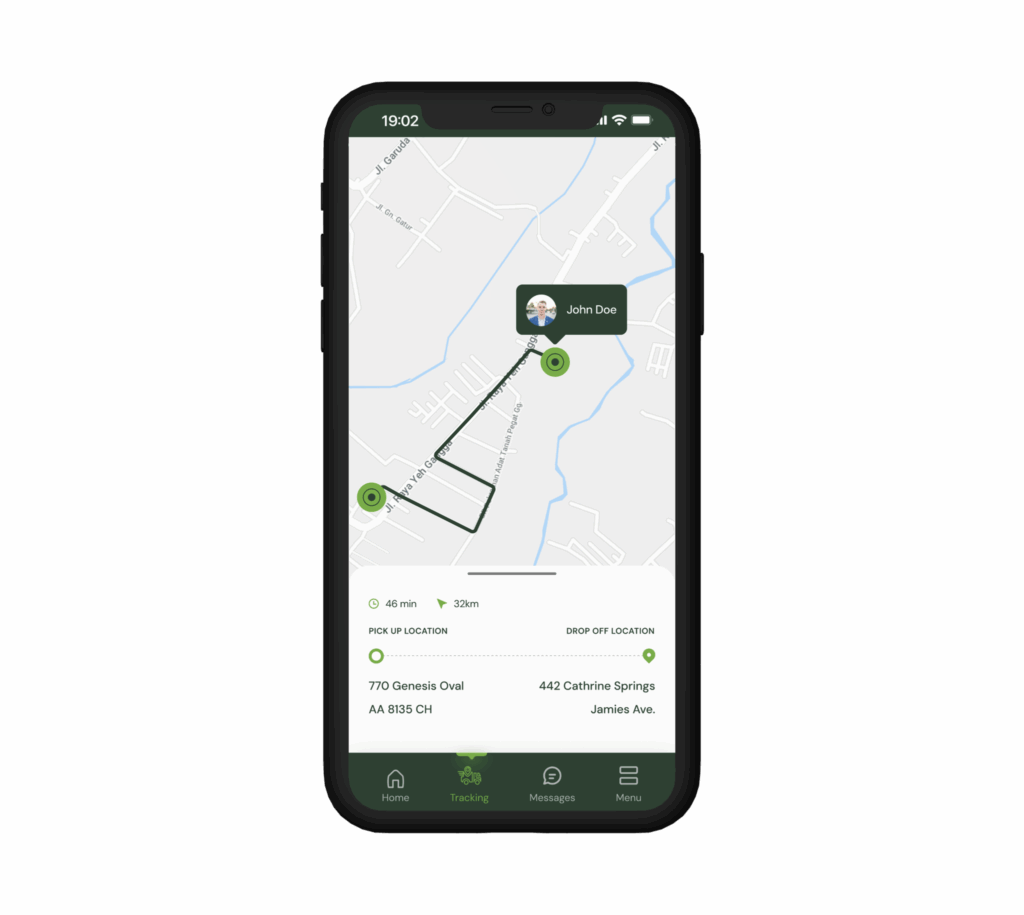
The modern dumpster rental websites and services tend to integrate with technologies such as GPS tracking and mobile apps to give live visibility and communication. As an example, in every dumpster or truck, a GPS unit can be installed, and the software could display its specific position on a map. It will allow dispatchers to plan routes and arrange pickups more effectively, and customers will be provided with real-time information about when their dumpster will be delivered or picked up. This is all managed with an intuitive interface, which may be available either through a web browser or via a mobile application, so that everybody, both the office workers and the drivers in the field, is on the same page.
Simply put, dumpster rental software operates by digitising and standardizing the workflow of waste collection, streamlining what would have been an otherwise arduous procedure, bringing it to a higher level of speed, intelligence, and dependability.
Key Features of Dumpster Rental Software
The Dumpster rental software is loaded with features that address the entire end-to-end requirements of the waste management operation. Some of its major characteristics and their functions are listed below.
Route Optimization:
High-level routing algorithms guarantee that garbage trucks use the most efficient routes in collecting or delivering dumpsters. The software can map the most efficient routes, which can be time-saving, fuel-efficient, and minimise mileage by examining such aspects as locations, traffic, and dumpster fill levels. It implies that fewer unnecessary detours are made by the drivers and more jobs are done with less fuel – a win-win situation for both the business and the environment.
Scheduling and Dispatching:
Dumpster rental software makes it automatic in the scheduling of drop-offs, swaps, and pickups. The dispatchers can plan the deliveries and collections with a few clicks, and the system allocates the duties to drivers, in many cases, with real-time updates. The program tracks all future events to be done on a calendar, provides the notification, and even provides the opportunity to make changes on the fly. This guarantees that there are no forgotten orders and dumpsters receive service at the time they are required – avoiding overflow or empty boxes.
Customer Web portals and Booking:
A portal or a web booking system that faces the customer is a typical characteristic. This enables customers (be it a contractor, business, or resident) to place orders and schedule dumpsters online at any time, 24/7, without calling in during the day. Customers can order the dumpster size, schedule delivery dates, and even sign contracts or pay invoices online through a website or application. The portal frequently offers transparency, too – the client can access it and view their rental status, their upcoming pickup, or past bills. With a self-service portal, waste companies enable dumpster renting to be just as convenient as any item provided in an online shop, significantly improving customer satisfaction and convenience.
Automated Billing and Invoicing:
It is a lot easier to deal with billing using specific software. The system can compute the rental fees automatically, in addition to any additional charges (such as overage or additional days), and create invoices without the need to do so manually. A lot of dumpster rental software programs are integrated with accounting programs or have built-in payment processing, allowing customers to pay online safely. Automated invoicing and tracking of payments make sure that nothing slips through the cracks – everything is documented, receipts can be delivered immediately, and revenue is not stalled by paperwork. This saves not only administrative time, but also enhances accuracy (no more transcription errors) and cash flow.
Inventory Tracking and Asset Management:
Asset management helps to track a fleet of dumpsters easily with inventory tracking capabilities. The software keeps a database of all dumpsters and containers – usually with information such as size, location, current status (e.g., on site or available), and even maintenance history. Using inventory management tools, users are able to view the status and location of all dumpsters in real time. This prevents cases of a company booking the same dumpster twice or having to lose sight of items that are scattered about jobsites. The inventory will be optimized so that the dumpsters are not lying idle where they could have earned revenue, and those that are not found when they are required because the system will show what is available and what is required to be collected at a particular time.
Data Reporting and analytics:
Dumpster rental technology generally has reporting dashboards that transform operational data into actionable data. Managers are able to create instant reports on key metrics– such as number of rentals per month, average rental time, route efficiency, fuel consumption, revenue per dumpster, customer service time, etc. Such analytics allow for determining the trends and improvement points. When a company notices that some neighborhoods have half-filled containers regularly, it may modify schedules; or when it has been reported that a type of dumpster is popular at all times, it could consider investing in additional ones of the same size. Reporting and analytics, in real-time, give a view into operations so that, over time, it is possible to make data-based decisions to enhance efficiency and profitability.
Besides these, numerous dumpster rental software solutions can also provide several additional convenient features – such as a driver mobile app to receive routes and update on the current job status in real-time, real-time notification to the customer about the status of the job via SMS/email, integration with GPS trackers or even IoT sensors on dumpsters to monitor the fill-level, etc.
All these characteristics make waste management modern and automate routine operations through a single centralized system, linking all interested parties (dispatchers, drivers, managers, and customers).
Benefits for Businesses, Municipalities, and Customers
Dumpster rental software is providing groundbreaking advantages to the waste management sphere, which gives the business that implements it an obvious competitive edge.
Benefits for Waste Management Businesses
Enhanced Operational Performance: Software has done away with any manual paperwork and data entry by automating key processes such as scheduling, dispatch, and billing. This streamlining end-to-end significantly boosts productivity, lessens administrative overheads, and avoids expensive mistakes like picking up a shipment twice or booking the same shipment twice.
Massive Cost Savings: The software will reduce operational costs brought about by efficient planning of routes, which can save 20-40% of fuel. Also, automated billing will help to invoice on time and increase cash flow, and asset tracking will maximize the revenue-generating period of each dumpster.
Informed Growth & Strategy: With access to deep data and analytics, owners know how to drive trends, optimize price, and where to grow. Such data-driven decision-making allows businesses to grow successfully and surpass their rivals, who use manual processes.
Benefits for Municipalities and Cities
In the case of city and county governments, dumpster rental and smart waste software are the keys to affordable yet high-quality and green services.
Significant Cost Savings
Municipalities can save on lots of money due to the use of dynamic routing and intelligent scheduling by removing unnecessary collection trips. This optimization results in an astonishing decrease in the cost of operation, with certain cities experiencing up to a 30% decrease in collection costs and a 20-40% reduction in fuel usage, which saves the taxpayer money.
Better Public Cleanliness and Service
Sensor technology allows a proactive response method, sending notifications to the crews when dumpsters are full. This will help in avoiding litter, illegal dumping, and nuisance problems, resulting in cleaner streets and more dependable services to the citizens.
Data-Driven Planning & Sustainability:
Managers can have a real-time view of their waste facility, including the position of their trucks and the fill level of their containers. The information is priceless in urban planning, and cities could check the recycling level, focus on educational activities, and distribute the funds efficiently. Moreover, the waste diversion recording in detail promotes sustainability objectives and may even lead to certifications such as LEED.
Essentially, the technology assists the municipalities to become smart cities, facilitating the adoption of efficiency in operations, responsibility towards the environment, and the quality of life that the inhabitants enjoy.
Benefits for Customers and the General Public
Dumpster rental software will help model the customer experience as a convenient and transparent one. Users, be it contractors or homeowners, are now able to book, schedule, and manage their dumpster fully online, instead of multiple phone calls and vague timelines. This self-service model saves time and the phone tagging frustration.
The software also offers unmatched communication. The automated, real-time notifications that customers get upon each step, including booking confirmation and arrival of the driver, ensure that the customers stay informed and create trust. In addition to this, optimal routing results in better on-time service reliability.
Lastly, the platform has a good level of flexibility. Waste management becomes a smooth segment of workflow since customers can easily monitor the level of their dumpster, order additional pickups, and have digital records of projects or sustainability reporting.
Modernizing and Digitizing the Waste Management Industry
Dumpster rental software is a key component of the overall digitization of the waste management industry. Once dependent on time and labor-intensive, manual and analog operations such as paper schedules and radio communication, this industry is now utilizing technology to address shortcomings and cope with contemporary waste issues.
Connectivity and Time Data
Software and IoT devices allow modern operations to be driven to provide a smooth flow of information. Online orders are immediately displayed on dispatchers’ screens, drivers’ digital work orders are sent through mobile apps, and can be tracked immediately through GPS, where trucks and dumpsters can be monitored. This connectivity offers precision to what used to be done through guesses and makes the processes of the past much slower and less accurate.
Integrated Platforms: Unifying Operations
One of the major improvements of current software is the unification of essential functions into one integrated platform. Customer management, billing, scheduling, and reporting are not siloed anymore. This integration implies that everyone operates with the same real-time data so that they can make decisions faster and more informed, and have a 360-degree perspective of the business, regardless of their whereabouts, as long as they have access to the cloud.
A More Agile and Scalable Industry
Simply put, dumpster rental software and other digital resources are bringing the waste sector into the 21st century. It makes the industry more responsive and scalable by centralizing data and automating the normal operations. These solutions can allow the industry to adapt to the increasing population in the city and the increasing amounts of waste, and eventually provide improved service to everyone.
Future Trends and Innovations in Dumpster Rental Technology
The present capacity of dumpster renting software is only a start. The future of innovation will see waste management become smarter, more automated, and embedded within the landscape of our urban areas.
1: IoT-Enabled “Smart” Dumpsters
The future is in trash cans that can talk. These containers will have IoT sensors that allow them to detect their fill-level, weight, and even temperature in real-time. This information can be used to make dynamic and need-oriented collection schedules, rather than fixed routes. The system will automatically notify a dumpster when it must be emptied, which will significantly reduce the number of needless pickups and overflow on the street, which will result in cleaner and more productive urban areas.
2: Artificial Intelligence and Predictive Analytics
AI will convert software into a responsive aspect that will become a proactive companion. The algorithms of machine learning will process historical data to:
Project demand: Estimating the high seasonal demand for dumpster rentals.
Optimize routes: Develop the most efficient routes as they evolve in real-time, taking into account traffic.
Facilitate predictive maintenance: Schedule a service for the trucks ahead of time.
This ensures that there is a self-correcting system that foresees requirements and removes inefficiency even before it takes place.
3: Automation, Drones, and Robotics
Physical waste management will be highly automated:
Robotic Sorting: The use of AI-powered robots in recycling plants will sort materials faster and more accurately, increasing the recycling rate.
Drone Monitoring: Remote or large-scale dumpster locations will be monitored with drones, which will give visual information about fullness and conditions on the sites.
Autonomous Vehicles: The company will introduce self-driving collection trucks, which will be controlled by the central software, delivering another reduction in labor costs and enhancing safety.
Conclusion
Waste management is not the first area that people consider when talking about high-tech innovation; however, dumpster rental software is quickly shifting the perception towards a different direction. This software is assisting waste companies and cities to offer quality service at reduced costs and with reduced environmental effects by introducing automation, real-time data, and intelligent optimization into the equation.
What once was a manual, behind-the-scenes process is becoming a high-tech operation – one of the major components of the modern-day, smart cities and sustainable business practices. The advantages are obvious: it makes businesses more efficient and people-centric, municipalities save money and achieve green objectives, and customers receive more convenient and reliable services. Most significantly, these online tools are making our planet a cleaner place with less emissions and a more responsible attitude toward waste.
The revolution is in progress, but one thing is simple: the future of waste management is digital, data-driven, and bright. Dumpster rental software is the embodiment of this optimistic shift, and thus, an ancient industry has transformed into a progressive representation of efficiency and innovation.
FAQs
Q: What are the advantages of a dumpster rental software?
A: Dumpster rental software has many advantages. It can enhance operational efficiency through scheduling and routing automation, customer service through improved communication and online ports, real-time insights and data tracking to make better decisions, streamline billing to reduce administrative errors, and even contribute to higher revenue by using resources efficiently and improving customer satisfaction. Simply put, it makes management easier on the business, and it provides more dependable service to customers.
Q: Is GPS monitoring in dumpsters an effective method of optimization?
A: Yes – GPS tracking is an essential part of route optimization in contemporary waste management. GPS-monitored dumpsters and trucks provide real-time information on their location, which the software uses to find the most optimal way to pick their disposal routes and dynamically modify timetables. Knowing the precise location of every container and vehicle, companies can reduce the time they spend on the road and fuel costs by not going out of the way and by not going there until the service is necessary. This not only saves money (fuel and work) but also saves on vehicle wear and emissions because there is no longer a need to drive around.
Q: What are the main characteristics that I should expect in dumpster rental software?
A: In the list of essential features to consider when choosing dumpster rental software, the developer should offer a wide range of features that align with all the operational requirements of a waste management company. Notable characteristics are: online rental booking and customer portal, powerful order and customer management applications, inventory management to monitor dumpster availability and position, GPS tracking of assets and fleet, automated scheduling and dispatch, billing and invoicing, elaborate reporting and analytics, and integration into accounting or financial systems, to provide smooth record-keeping.